Best French Toast Recipe
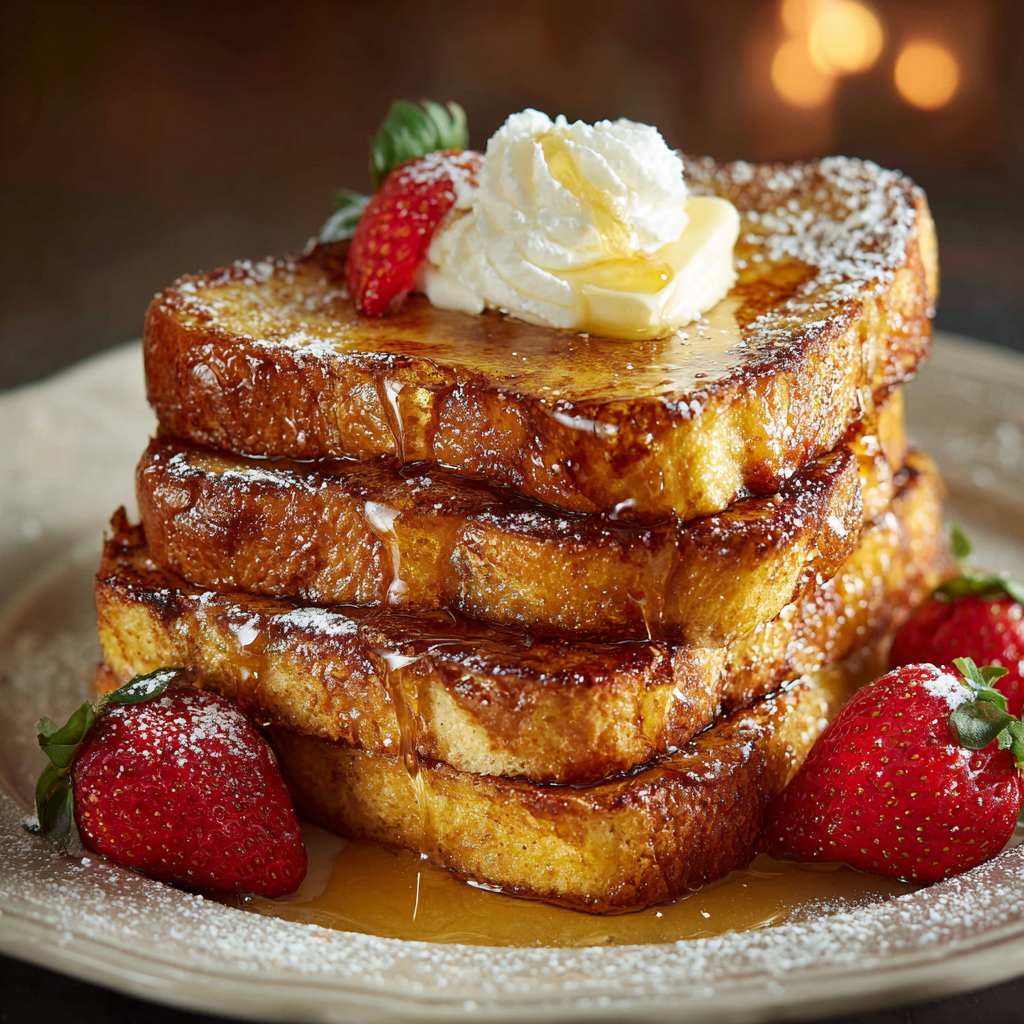
There’s something timeless and comforting about French toast. Soft, custardy centers wrapped in golden, buttery edges, finished with a drizzle of real maple syrup—it’s a breakfast classic that feels indulgent yet familiar. But while French toast is simple at heart, mastering the Best French Toast Recipe is all about technique, balance, and understanding how each ingredient plays its role.
This in-depth guide is designed to help you truly perfect French toast at home. Whether you’re cooking a slow weekend breakfast, hosting brunch, or just craving a cozy morning treat, this recipe and its tips will elevate your results from “good” to restaurant-quality perfection.
We’ll cover everything: choosing the right bread, building a rich custard, soaking correctly, cooking low and slow, topping ideas, variations, storage, and common mistakes to avoid—all fully optimized around the keyword Best French Toast Recipe for readers who want real results, not shortcuts.
Why This Is the Best French Toast Recipe
What makes one French toast recipe better than another? It’s not about fancy ingredients—it’s about balance and method. The best French toast should be:
-
Crispy and golden on the outside
-
Soft, creamy, and custard-like on the inside
-
Rich but not soggy
-
Sweet, but not dessert-level sweet
-
Deeply buttery, with warm vanilla and cinnamon notes
This recipe checks all those boxes. It uses enriched bread, a cream-based custard, proper soaking time, and gentle heat—key elements that separate average French toast from the best French toast recipe you’ll ever make.
Recipe Overview
Prep Time: 10 minutes
Cook Time: 15 minutes
Servings: 6
Ingredients
-
1 loaf challah or brioche bread, cut into thick slices
-
2 cups half-and-half or heavy cream
-
4 large eggs
-
¼ cup sugar
-
2 teaspoons vanilla extract
-
½ teaspoon ground cinnamon
-
Salted butter, for cooking
Step-by-Step Instructions
1. Prepare the Bread
Slice the challah or brioche into thick slices, ideally ¾ to 1 inch thick. Slightly stale or day-old bread is ideal—it absorbs the custard without falling apart.
Why this matters: Fresh bread turns mushy. Stale bread soaks evenly and holds structure.
2. Make the Custard
In a large bowl, whisk together:
-
Cream (or half-and-half)
-
Eggs
-
Sugar
-
Vanilla extract
-
Cinnamon
Whisk until fully combined and smooth.
Pro Tip: For the smoothest custard, use a blender or immersion blender. This fully disperses the cinnamon and prevents grainy egg texture.
3. Soak the Bread
Dip each slice into the custard mixture, soaking for about 20 seconds per side. Allow excess custard to drip off before cooking.
Perfect soaking is key: Too little time and the inside stays dry; too much and the toast collapses.
4. Cook Low and Slow
Heat a skillet or griddle over medium-low heat. Add a generous amount of salted butter.
Place soaked bread into the pan and cook for 3–5 minutes per side, until golden brown and cooked through.
If browning too quickly, reduce heat to low.
5. Serve Immediately
Serve hot with butter, powdered sugar, and real maple syrup.
French toast is at its absolute best straight from the pan.
Choosing the Right Bread (The Foundation of the Best French Toast Recipe)
Bread choice is not optional—it’s essential.
Best Breads for French Toast
-
Brioche – Rich, buttery, soft crumb
-
Challah – Slightly firmer, absorbs custard beautifully
-
Texas Toast – Thick, sturdy, widely available
Breads to Avoid
-
Thin sandwich bread
-
Very crusty artisan loaves
-
Gluten-free bread without structure
Enriched breads contain eggs and butter, which create a luxurious texture once soaked and cooked.
The Custard: Why Cream Makes All the Difference
The custard is the heart of the Best French Toast Recipe.
Milk vs Half-and-Half vs Cream
-
Milk: Too thin, less richness
-
Half-and-Half: Balanced and creamy
-
Heavy Cream: Ultra-rich and custardy
This recipe favors half-and-half or cream for maximum silkiness without greasiness.
Egg Ratio Matters
Using 4 eggs to 2 cups of dairy ensures:
-
Enough structure to cook through
-
No scrambled-egg texture
-
Creamy, tender interior
Cooking Technique: Why Low and Slow Wins
High heat is the enemy of great French toast.
Why Medium-Low Heat Is Essential
-
Allows custard to set fully
-
Prevents burnt outsides
-
Creates even browning
Butter should gently foam, not brown instantly.
Tips for Perfect French Toast (Every Time)
-
Use enriched bread for richness
-
Cook low and slow to avoid raw centers
-
Don’t skimp on butter—it adds flavor and color
-
Fully soak, don’t oversoak
-
Serve immediately for best texture
These tips are what truly make this the Best French Toast Recipe, not just another breakfast dish.
Topping Ideas & Flavor Combinations
French toast is a blank canvas. Here are some standout combinations:
Classic
-
Butter
-
Powdered sugar
-
Maple syrup
Strawberries & Cream
-
Fresh strawberries
-
Lightly sweetened whipped cream
Chocolate & Cream
-
Dark chocolate shavings
-
Whipped cream
Ricotta, Pistachio & Orange
-
Sweetened ricotta
-
Orange zest
-
Chopped pistachios
Mascarpone & Berries
-
Sweetened mascarpone
-
Fresh berries or berry compote
Flavor Variations You’ll Love
Cinnamon Sugar French Toast
Sprinkle cooked slices with cinnamon sugar while hot.
Vanilla Bean French Toast
Replace extract with scraped vanilla bean.
Brown Sugar French Toast
Swap white sugar for light brown sugar for caramel notes.
Orange French Toast
Add orange zest to the custard for brightness.
Serving Suggestions
Serve French toast with:
-
Crispy bacon or sausage
-
Fresh fruit
-
Yogurt or cottage cheese
-
Scrambled or fried eggs
It pairs beautifully with savory sides to balance sweetness.
Make-Ahead, Storage & Reheating
Make Ahead
Cook French toast fully, cool, and store in the fridge for up to 3 days.
Freezing
Freeze cooked slices in a single layer, then transfer to freezer bags. Freeze up to 2 months.
Reheating
-
Oven: 350°F for 8–10 minutes
-
Skillet: Medium-low heat with butter
-
Toaster: Best for thinner slices
Avoid microwaving—it softens the crust.
Common French Toast Mistakes (And How to Avoid Them)
-
Too much heat: Burns outside, raw inside
-
Thin bread: Falls apart
-
Not enough butter: Pale and bland
-
Undermixing custard: Eggy pockets
-
Serving late: Loses texture
Avoid these, and you’ll always get the Best French Toast Recipe results.
PrintBest French Toast Recipe
There’s truly an art to making the best French toast, and it comes down to achieving the perfect balance of buttery, crisp edges and soft, custardy centers. With the right bread, a rich custard, and proper cooking technique, this classic breakfast transforms into something truly special. These tips and tricks will help you make restaurant-quality French toast right at home.
Ingredients
-
1 loaf challah or brioche bread, cut into thick slices
-
2 cups half-and-half or heavy cream
-
4 large eggs
-
¼ cup sugar
-
2 teaspoons vanilla extract
-
½ teaspoon cinnamon
-
Salted butter, for cooking
Instructions
-
Slice the challah or brioche into thick slices. Day-old or slightly stale bread works best because it absorbs the custard without falling apart.
-
In a large bowl, whisk together the cream (or half-and-half), eggs, sugar, vanilla extract, and cinnamon until fully combined.
Tip: Use a blender or immersion blender to fully incorporate the cinnamon into the custard. -
Dip each slice of bread into the custard mixture, allowing it to soak for about 20 seconds per side. Let excess custard drip off before cooking.
-
Heat a skillet over medium-low heat. Add a generous amount of salted butter.
-
Place soaked bread into the skillet and cook low and slow. Cook each side for 3–5 minutes, until golden brown and cooked through.
-
If the toast browns too quickly, reduce the heat to low.
-
-
Serve immediately with powdered sugar, butter, and real maple syrup.
Notes
-
Use enriched bread: Brioche or challah creates a richer, softer interior.
-
Cook low and slow: This ensures the custard cooks through without burning the outside.
-
Don’t skimp on butter: Butter is key for flavor and golden, crisp edges.
-
Fully soak—but don’t oversoak: About 20 seconds per side gives the best texture.
-
Serve right away: French toast is best hot and fresh from the pan.
Nutrition Information (Per Serving)
-
Calories: 406 kcal
-
Carbohydrates: 48 g
-
Protein: 14 g
-
Fat: 17 g
-
Saturated Fat: 8 g
-
Cholesterol: 191 mg
-
Sodium: 384 mg
Final Thoughts
The Best French Toast Recipe isn’t about complexity—it’s about respect for technique. Choosing the right bread, building a rich custard, soaking properly, and cooking gently transforms a humble breakfast into something truly special. When done right, French toast is more than a meal—it’s comfort, nostalgia, and indulgence all on one plate.
This recipe delivers consistent, bakery-style results every time. Whether you keep it classic with maple syrup or dress it up with ricotta and fruit, it’s endlessly adaptable and always satisfying. Once you master these fundamentals, you’ll never settle for mediocre French toast again.