Savory Butternut Squash & Sage Pasta
A Cozy, Elegant Fall Pasta That Tastes Like a Restaurant Classic
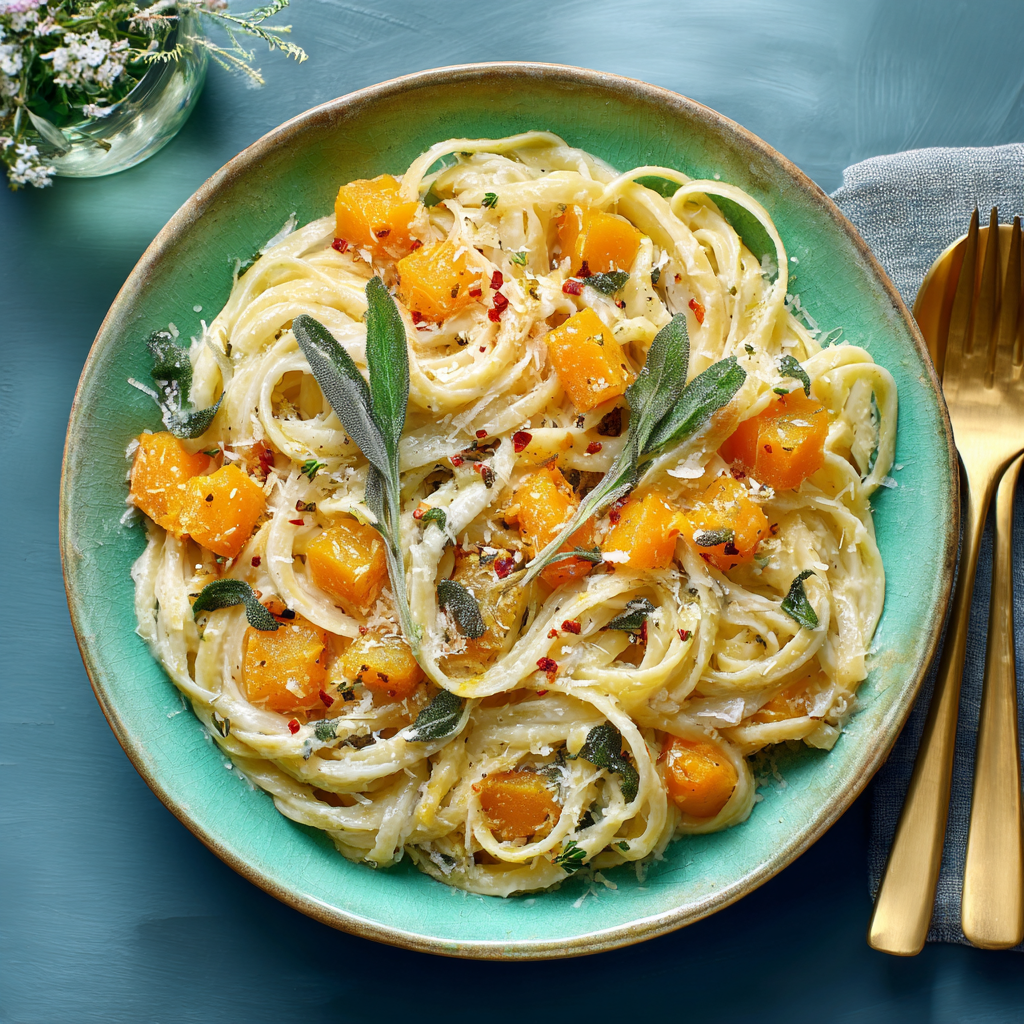
Few dishes capture the soul of autumn quite like Savory Butternut Squash & Sage Pasta. It’s the kind of recipe that feels instantly familiar yet quietly sophisticated—comfort food with intention. Sweet, caramelized butternut squash meets earthy, aromatic sage, all wrapped in a silky, emulsified sauce that clings beautifully to every piece of pasta. There’s no heavy cream here, no overpowering ingredients—just thoughtful technique, balanced flavors, and a deep respect for seasonal produce.
This dish is inspired by classic Italian fall cooking, where simplicity reigns supreme and ingredients are allowed to shine. Butternut squash has long been paired with sage in Northern Italian kitchens for good reason: the sweetness of the squash balances sage’s savory, almost peppery edge, creating a harmony that feels both rustic and refined. When combined with pasta water, olive oil, and Parmesan, the sauce becomes glossy and luxurious—proof that you don’t need complicated methods to create something memorable.
What makes Savory Butternut Squash & Sage Pasta truly special is its versatility. It’s easy enough for a cozy weeknight dinner yet elegant enough to serve at a dinner party. It works as a vegetarian main, but it also welcomes additions like crispy pancetta, sausage, or chickpeas. It can be rich and indulgent or light and clean, depending on how you finish it. And perhaps most importantly, it’s the kind of meal that slows you down—encouraging you to savor each bite, just as fall invites us to do.
In this guide, you’ll learn not only how to make this pasta perfectly every time, but also why each step matters. From roasting the squash to emulsifying the sauce, from choosing the best pasta shape to customizing the dish for different diets, this post is designed to help you truly understand the recipe—not just follow it.
Why You’ll Love This Savory Butternut Squash & Sage Pasta
There are countless reasons this dish earns a permanent place in your fall and winter recipe rotation, but here’s why readers consistently fall in love with it.
First, it delivers big flavor with simple ingredients. Butternut squash, sage, garlic, onion, olive oil, and Parmesan may sound modest, but together they create layers of depth that feel complex and intentional. Roasting the squash intensifies its natural sweetness, while sage adds a savory backbone that keeps the dish from tipping into overly sweet territory.
Second, the texture is exceptional. Thanks to pasta water and gentle mashing of the squash, the sauce becomes silky and cohesive—coating the pasta instead of pooling at the bottom of the bowl. This is the kind of texture usually associated with restaurant dishes, yet it’s achieved with pantry staples and basic technique.
Third, this recipe is highly adaptable. You can make it vegan, add protein, swap pasta shapes, or adjust richness based on your mood. It’s forgiving, flexible, and endlessly customizable without losing its core identity.
Finally, this pasta is deeply seasonal and comforting. It tastes like fall evenings, cozy sweaters, and warm kitchens. It’s a dish that feels grounding, nourishing, and satisfying without being heavy or overwhelming.
Ingredients + Tips for the Best Results
Every ingredient in Savory Butternut Squash & Sage Pasta plays a deliberate role. Understanding why they’re used—and how to choose them—will elevate your final dish.
Pasta
Choose a pasta shape that holds sauce well. Short pasta with ridges, like rigatoni or penne, traps the squash sauce in every bite. Long pasta such as fettuccine or tagliatelle offers a more elegant presentation and works beautifully if you emulsify the sauce properly. Always cook pasta just to al dente; it will finish cooking in the sauce.
Butternut Squash
Fresh butternut squash is essential. Look for squash that feels heavy for its size, with smooth, matte skin and no soft spots. Cubing the squash evenly ensures consistent roasting. Roasting—not boiling—is key, as it concentrates flavor and encourages caramelization.
Olive Oil
Use a good-quality extra virgin olive oil. Since this dish relies on minimal ingredients, the flavor of the oil matters. Olive oil also helps create the emulsified sauce when combined with pasta water.
Onion or Shallots
Shallots offer a slightly sweeter, more delicate flavor, while onion provides a heartier base. Either works well. Dice finely to ensure they melt into the sauce rather than stand out.
Garlic
Fresh garlic adds depth and warmth. Be careful not to brown it too much, as bitterness can overpower the squash.
Fresh Sage
Sage is non-negotiable in this recipe. Fresh leaves provide aroma, flavor, and texture when crisped. Dried sage simply doesn’t offer the same effect here.
Broth
Vegetable broth keeps the dish vegetarian, while chicken broth adds slightly more depth. Choose low-sodium broth so you can control seasoning.
Pasta Water
This is the secret ingredient. The starch in pasta water binds fat and liquid, creating a glossy sauce without cream. Reserve more than you think you’ll need.
Parmesan Cheese
Use freshly grated Parmesan for the best melt and flavor. Pre-grated cheese often contains anti-caking agents that prevent smooth incorporation.
Butter (Optional)
A small amount of butter adds richness and rounds out the flavors, but it’s entirely optional. The dish is excellent without it.
Step-by-Step Instructions (With Technique Explained)
Roast the Squash
Preheat your oven to 400°F (200°C). Toss cubed butternut squash with olive oil, salt, and pepper, then spread it out in a single layer on a baking sheet. Avoid crowding—space allows caramelization rather than steaming. Roast until tender and lightly browned, flipping halfway for even color.
Roasting transforms the squash’s raw sweetness into deep, nutty richness. This step alone sets the foundation for the entire dish.
Cook the Pasta
Bring a large pot of generously salted water to a boil. Pasta water should taste like the sea. Cook the pasta until just al dente, then reserve at least one cup of pasta water before draining.
Toast the Sage
Heat olive oil in a wide skillet and add sage leaves. Fry briefly until crisp. This step releases sage’s essential oils and turns it into both a garnish and a flavor component. Remove and set aside to prevent burning.
Build the Sauce Base
In the same skillet, sauté onion or shallots until soft and translucent. Add garlic and optional red pepper flakes, cooking just until fragrant. This creates an aromatic base that supports the squash without overpowering it.
Combine and Mash
Add roasted squash and broth to the skillet. Gently mash some of the squash with the back of a spoon. This creates a naturally thickened sauce while leaving chunks for texture.
Emulsify
Add cooked pasta and a portion of reserved pasta water. Toss vigorously over medium heat. The starch in the water binds with olive oil and squash, forming a smooth, glossy sauce. Add more pasta water as needed until the pasta is fully coated.
Finish and Serve
Remove from heat and stir in Parmesan and butter if using. Season to taste. Top with crispy sage and additional cheese. Serve immediately while the sauce is silky and cohesive.
Variations to Make It Your Own
One of the strengths of Savory Butternut Squash & Sage Pasta is how easily it adapts.
-
Protein Boost: Add crispy pancetta, Italian sausage, or roasted chicken.
-
Vegan Version: Skip butter and Parmesan; finish with nutritional yeast and extra olive oil.
-
Nutty Crunch: Add toasted walnuts or pine nuts for texture.
-
Extra Greens: Stir in spinach or kale at the end for freshness.
-
Spice It Up: Increase red pepper flakes or add black pepper generously.
Storage & Reheating
This pasta keeps well for up to three days in the refrigerator. Store in an airtight container. Reheat gently on the stovetop with a splash of water or broth to revive the sauce. Avoid microwaving if possible, as it can dry out the pasta.
PrintSavory Butternut Squash & Sage Pasta
This Savory Butternut Squash & Sage Pasta is a cozy yet elegant fall dish that balances sweet roasted squash with earthy sage and a silky, emulsified sauce. Roasting the squash intensifies its flavor, while pasta water brings everything together into a glossy, restaurant-quality finish. It’s comforting enough for a weeknight and impressive enough for guests.
Ingredients
-
12 oz pasta (rigatoni, penne, or fettuccine)
-
3 cups butternut squash, peeled and cubed
-
3 tablespoons olive oil, divided
-
Salt and black pepper, to taste
-
1 small onion or 2 shallots, finely diced
-
3 cloves garlic, minced
-
8–10 fresh sage leaves
-
½ teaspoon crushed red pepper flakes (optional)
-
¾ cup vegetable or chicken broth
-
½ cup reserved pasta water (as needed)
-
½ cup grated Parmesan cheese, plus more for serving
-
1 tablespoon butter (optional, for extra richness)
Instructions
-
Roast the Squash
Preheat oven to 400°F (200°C). Toss the butternut squash with 1½ tablespoons olive oil, salt, and pepper. Spread on a baking sheet and roast for 25–30 minutes, flipping halfway, until tender and lightly caramelized. -
Cook the Pasta
Bring a large pot of salted water to a boil. Cook pasta according to package instructions until al dente. Reserve 1 cup of pasta water before draining. -
Toast the Sage
Heat the remaining olive oil in a large skillet over medium heat. Add sage leaves and cook for about 30 seconds per side until crisp. Remove and set aside. -
Build the Sauce
In the same skillet, add onion (or shallots) and sauté for 3–4 minutes until soft. Add garlic and red pepper flakes and cook for 30 seconds until fragrant. -
Combine
Add roasted squash and broth to the skillet. Lightly mash some of the squash with a spoon to help create a sauce. -
Emulsify
Add cooked pasta to the skillet along with ¼ cup reserved pasta water. Toss well, adding more pasta water gradually until the sauce becomes glossy and coats the pasta evenly. -
Finish
Stir in Parmesan cheese and butter (if using). Season with salt and pepper to taste. -
Serve
Top with crispy sage leaves and additional Parmesan. Serve immediately.
Notes
-
Best Pasta Shapes: Short pasta with ridges holds the sauce best, but long pasta works beautifully too.
-
Creamier Texture: Mash more squash or add extra pasta water for a silkier sauce.
-
Extra Protein: Add crispy pancetta, sausage, or chickpeas for a heartier meal.
-
Vegan Option: Skip butter and cheese, or use plant-based alternatives with nutritional yeast.
Serving Suggestions
Serve Savory Butternut Squash & Sage Pasta with:
-
A crisp arugula salad with lemon vinaigrette
-
Roasted Brussels sprouts or green beans
-
Crusty bread to soak up the sauce
It pairs beautifully with a dry white wine or a light-bodied red.
Final Thoughts
Savory Butternut Squash & Sage Pasta is more than just a seasonal recipe—it’s a reminder of how powerful simple cooking can be. With just a handful of ingredients and thoughtful technique, you can create a dish that feels luxurious, comforting, and deeply satisfying. It’s the kind of meal that invites you to slow down, to cook with intention, and to appreciate the natural beauty of fall ingredients.
What makes this pasta truly special is its balance. It’s rich without being heavy, elegant without being fussy, and comforting without feeling dull. Each component has a purpose, and when they come together, the result is greater than the sum of its parts. The roasted squash brings sweetness and depth, the sage adds character, and the emulsified sauce ties everything together into something cohesive and crave-worthy.
Whether you’re cooking for yourself on a quiet evening or serving guests at a fall gathering, this dish rises to the occasion. It’s approachable enough for beginners yet rewarding for experienced cooks who appreciate nuance and technique. And perhaps most importantly, it’s a recipe that feels timeless—one you’ll return to year after year as soon as the air turns crisp.